

Windrush Elders
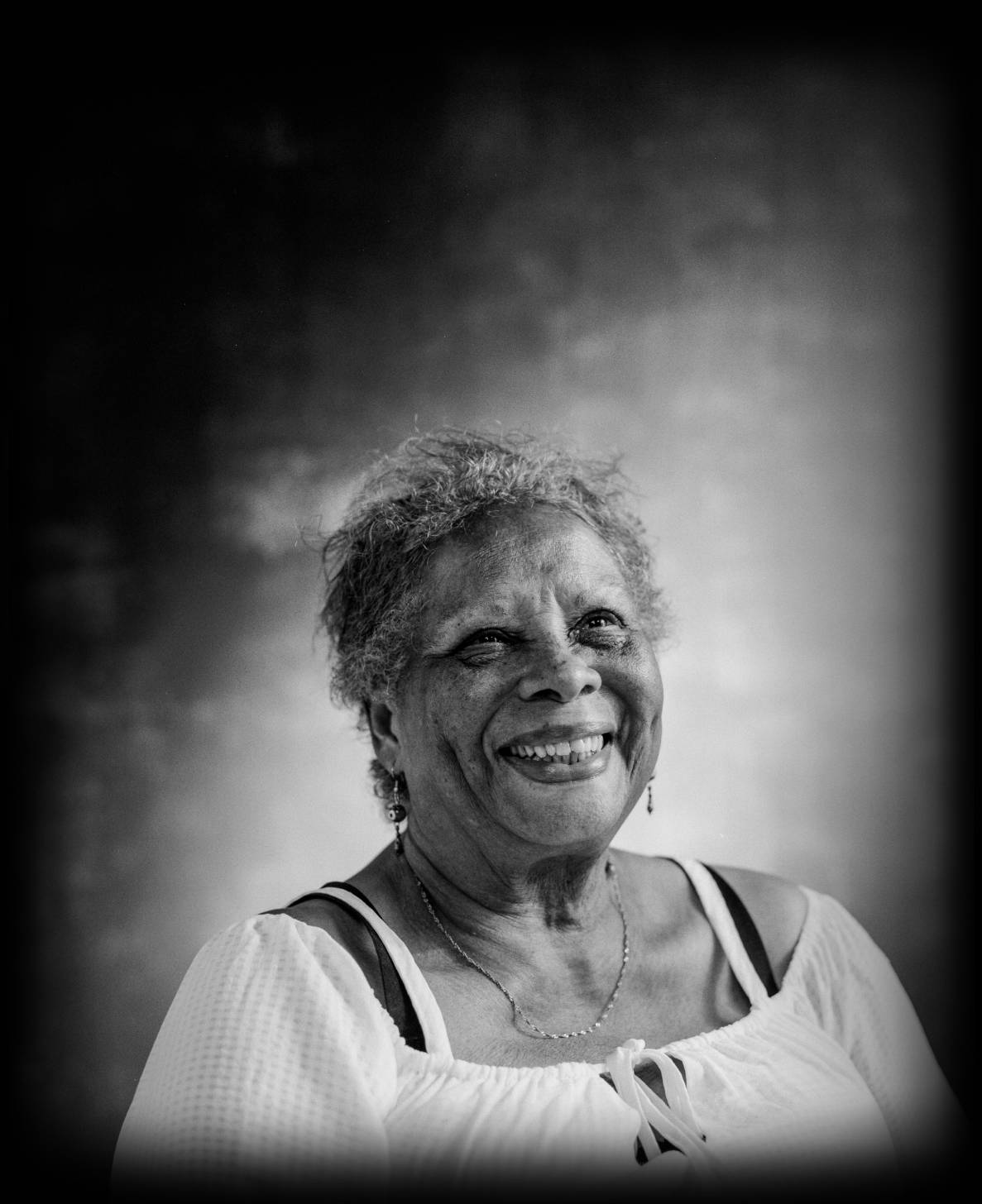
Claudette Barnet
Claudette Barnard’s life is a vivid tapestry of resilience, adaptability, and cultural pride. Born in Kingston, Jamaica, Claudette grew up in a bustling family of eight siblings. Her early years were spent under the care of her grandmother, as her mother had emigrated to the United Kingdom, paving the way for the family’s eventual reunion. Though her childhood in Jamaica was brief, it left an indelible mark on her identity.
Claudette’s memories of Jamaica revolve around a close-knit community. She fondly recalls living in a tenement, where four families occupied flats upstairs and another four lived below. The communal spirit was palpable, with shared gardens where children, including Claudette, would plant and sell callaloo to earn money. It was a vibrant environment, filled with purpose and resourcefulness.
At the age of nine, Claudette left behind the warmth of the Jamaican sun for a snowy arrival in England. Her new home was in Clapton, East London, where she initially struggled to adapt. The freezing temperatures were a stark contrast to her Caribbean roots, and the snow left her yearning to return. However, Claudette persevered, gradually finding her footing in her new surroundings. Life in Clapton was markedly different, with less emphasis on outdoor activities and more time spent indoors.
As Claudette grew older, she immersed herself in various forms of work, reflecting her adaptability and determination. From sewing men’s jackets and working in childcare to caring for the elderly, bar work, and even running her own takeaway, she demonstrated a remarkable ability to navigate different roles. These jobs were not just a means of survival but also a testament to her industrious spirit. Despite these demands, she managed to balance work with raising her two children, a boy and a girl.
Her educational journey in England was marked by challenges. Claudette faced dyslexia, a condition that went unrecognised during her schooling years. This lack of support meant she struggled academically and missed out on taking exams. However, her thirst for learning did not wane. After leaving school at 18, she pursued further education through college and evening classes, proving her resilience in the face of adversity.
As an adult, Claudette found joy in travel, visiting family abroad and even living in Germany for three years. These experiences broadened her perspective and deepened her connection to the world. Despite her travels, she maintained a strong bond with her Jamaican heritage. While she no longer celebrated Christmas in the traditional Caribbean manner, she continued to embrace aspects of her culture, such as attending community events organised by groups like the Claudia Jones Organisation, which provided support for single mothers.
Now retired, Claudette cherishes her time spent at various elderly clubs, meeting people and forming connections. Her positivity and zest for life earned her the affectionate nickname “Reggae Grandma” from her grandson, reflecting her love for socialising and staying active. When asked about her outlook, she shared a simple yet profound philosophy: “Wherever you go, be yourself. Be polite, and you will get on with people.”
Claudette’s life is a powerful reminder of the strength found in community, the value of perseverance, and the importance of staying true to oneself. Her story resonates as a testament to the immigrant experience, celebrating both the challenges and triumphs that come with building a life in a new land.