

Windrush Elders
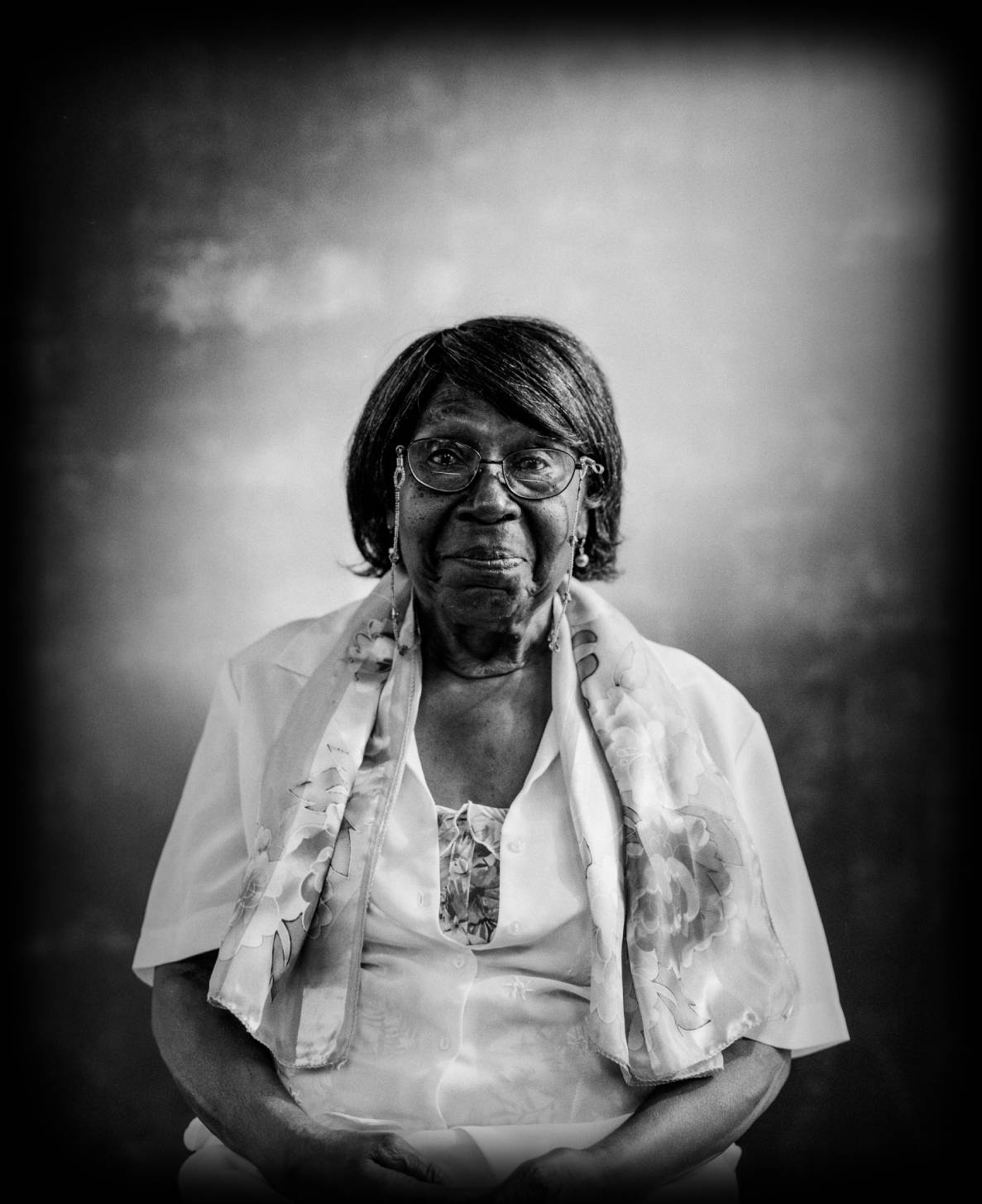
Daisy Ayamer
Born in the 1940s in the rural village of St. Thomas, Jamaica, she was the eldest of five siblings. Her family lived close-knit lives, bound by the values of community and shared responsibilities. Raised by her father and grandmother, she learned early on the importance of family bonds, as extended relatives, including aunts, uncles, and cousins, often lived nearby. In Jamaica, her days were filled with farm work, tending to crops and animals, contributing to the family’s livelihood. Education was a key part of her upbringing, though after leaving school at the age of 15, financial constraints meant that she couldn’t pursue further studies. Instead, she focused on supporting the household and working the land, alongside her siblings.
Her village life, though humble, was rich in communal support. She recalls how the community felt like an extended family, where everyone knew one another and looked out for each other. School days were spent walking six miles to and from class, where sports days and visits to other schools for competitions offered welcome diversions. The simplicity of country life in Jamaica, with its close-knit community and outdoor activities, shaped much of her world-view.
In 1962, she left the warmth of the Caribbean behind and made the life-changing decision to move to the United Kingdom. The journey to London was a daunting one, but at the time, the promise of a better future beckoned. Arriving at Gatwick Airport, she experienced a profound culture shock. The cold weather, the unfamiliar sounds, and the strange sight of chimney smoke in the air all felt alien to her. “It was a different world,” she recalls, highlighting the stark contrast between the sun-drenched days of Jamaica and the foggy, chilly mornings of London.
Her first experiences in the UK were a mix of excitement and uncertainty. She settled into a small apartment in Adelaide, where she lived with a distant relative. The hustle of London was overwhelming, and there was a noticeable lack of familiar faces in the crowd. She began to adjust to life in the city, securing a job in a factory within three weeks of her arrival. Her wage, £6.96 a week, was a stark difference to what she had imagined, but it was enough to get by. The cost of living in London in the 1960s was high, and she recalls how the price of everyday goods, like bread and meat, often felt prohibitive.
In those early days, she learned quickly how to navigate the complexities of her new life. Simple tasks, like shopping for groceries or managing household chores, felt more challenging in the UK. Many homes lacked refrigerators, so she and others in her building kept food cool by placing it outside in the winter chill, a practice that seemed both quaint and practical. The absence of modern amenities was a sharp contrast to her memories of rural Jamaica, where life was simpler, if harder.
Despite the challenges, she remained determined and resilient. Over time, she made lasting connections, including a friendship that began on her first day of work. She met a young woman on the bus to her factory job, and they became fast friends, supporting each other through the ups and downs of their new lives. Their bond remained strong until her friend’s passing in 2020.
Though she continued to live in the UK, her ties to Jamaica remained unbroken. Family visits were frequent, and she maintained close relationships with her siblings, many of whom later relocated to the United States. She looks back on her journey with pride, having overcome the hurdles of adapting to a new country and culture. Today, she continues to carry with her the values of family and community that shaped her upbringing, even as her own life story unfolds far from the sunny streets of St. Thomas.