

Windrush Elders
Lessept Saunders
Born on January 24, 1919, in Jamaica, just after the First World War, Lessept Saunders was inspired by his father’s wartime stories of perseverance. Those tales ignited a determination within him to seek better opportunities and support his family. Life in Jamaica was challenging low wages and limited prospects made daily existence a struggle.
In 1944, during the Second World War, friends returned from England speaking of earning five pounds a week, a fortune compared to Jamaican wages. Les felt a surge of hope. Despite the daunting prospect of leaving his homeland, the promise of a brighter future propelled him forward. With courage mingled with anxiety and excitement, he embarked on a three-week voyage aboard the Origa, arriving in a war-torn England.
London in 1944 was ravaged by conflict. Buildings lay in ruins, people lived in half-destroyed houses. Yet, amid the devastation, Les witnessed an indomitable spirit. The resilience of Londoners inspired him, fuelling his own resolve to overcome hardship.
Settling in Croydon, he faced loneliness and cultural isolation. Though he spoke English, the dialect was different, and few people looked like him. Determined to connect and succeed, Les took additional English lessons. His unwavering dedication led him to a lifelong career as a male nurse at Queen’s Hospital near Mayday Hospital.
Caring for patients from numerous nations, many scarred by war, was intense but profoundly fulfilling. The gratitude of those he helped and the camaraderie with colleagues gave him purpose and belonging. Even when staff shortages meant working through the night, he embraced his role wholeheartedly, it was his calling.
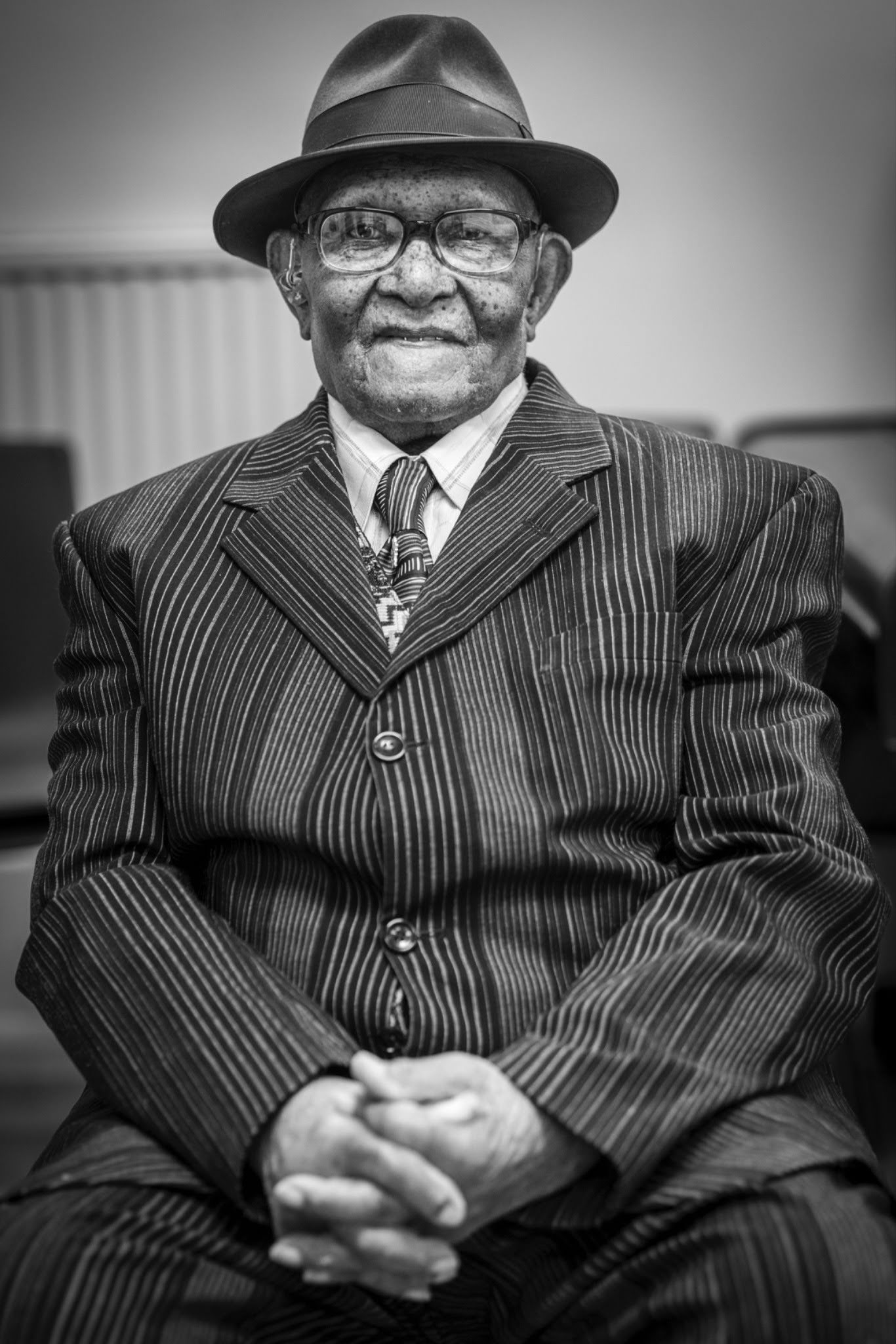
After five years, in 1949, he returned to Jamaica, yearning for his roots. However, the lack of opportunities and inability to support his family forced a painful decision: to leave his beloved home once more. In 1950, he returned to England, and by 1955, it became his permanent residence.
Around 1975, Lessept moved to Hackney, near Dalston. Recognising the need for community, he became one of the founders of a local Caribbean community centre. Securing this space wasn’t easy, they had to fight the council and overcome obstacles. But the effort was worth it. The centre became a sanctuary, a place of companionship and support-easing his loneliness and reinforcing his sense of belonging.
Through relentless challenges, the harsh weather, cultural differences, feelings of isolation, Les found strength in friendships, his fulfilling work, and staying connected to his heritage. Embracing diversity and finding joy in helping others, he navigated his new life with grace.
Now, at 106 years old in 2025, Les reflects on a century of transformation, from the ruins of wartime London to the vibrant, diverse city it is today. His journey was never easy, but the resilience learned from his father, the purpose found in service, and the support of community sustained him. His experiences teach that endurance isn’t just about surviving hardships but finding meaning and hope within them.
Grateful for every moment, the struggles and the triumphs, Les’s story is one of perseverance, adaptation, and the unbreakable human spirit. He hopes that sharing his journey inspires others to face their challenges with courage, seek connection, and find strength in themselves and their communities.